Asphalt plant suppliers are increasingly focusing on structural optimization technologies to enhance the efficiency of mini asphalt plants while balancing space-saving layouts. These technologies involve innovative design principles, advanced material mixing techniques, and streamlined operational processes. By incorporating these optimizations, suppliers like Macroad ensure that mini asphalt plants deliver high-performance mixing in a compact format, catering to various project demands while minimizing space usage.
Innovative Design Principles
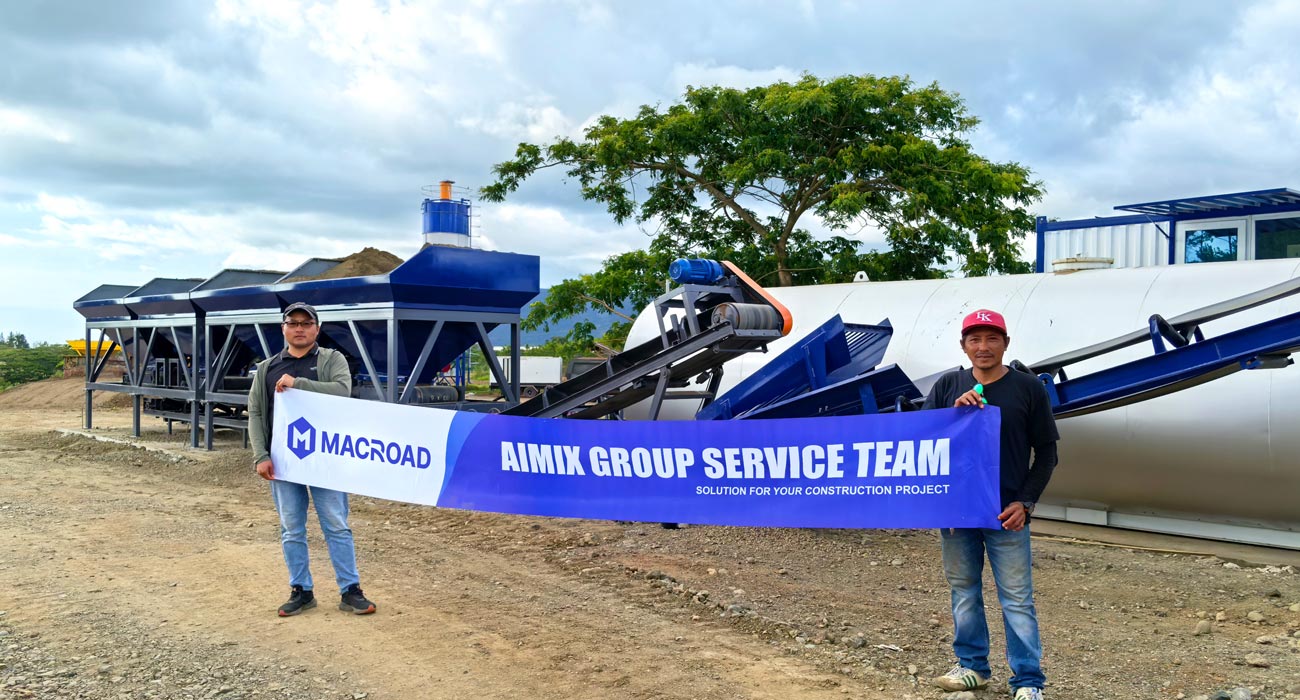
One of the key structural optimization technologies used by asphalt plant suppliers for mini asphalt plants is the implementation of innovative design principles. The compact nature of mini asphalt plant means every square foot must be effectively utilized to ensure efficiency. Suppliers are adopting vertical configurations that stack components, such as silos for aggregate storage and mixing units, vertically rather than horizontally. This design reduces the plant’s footprint while maintaining operational capability.
Additionally, modular designs are becoming more prevalent. These modular components can be easily assembled and disassembled, allowing for quick installation and relocation. Such flexibility is particularly beneficial for clients who may operate on various job sites or face changing project requirements. By integrating innovative design principles, asphalt plant suppliers optimize the overall layout for better space management.
Advanced Material Mixing Techniques
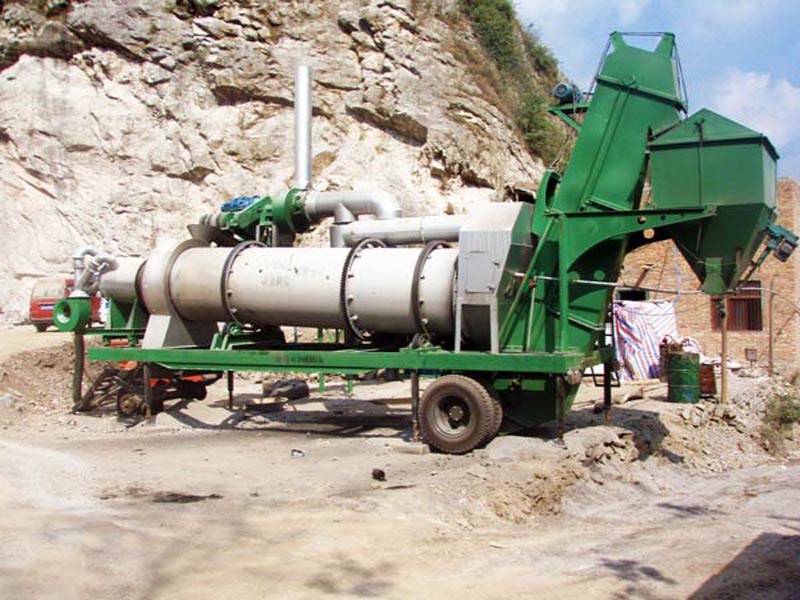
To achieve high-efficiency material mixing performance, asphalt plant suppliers are incorporating advanced mixing technologies into mini asphalt plants. Traditional mixing methods often require significant space and energy, which can be challenging in a compact setup. Instead, suppliers are implementing high-efficiency mixers that utilize smaller volumes while delivering superior mixing quality.
For example, countercurrent mixers can improve mixing performance by allowing aggregates and binders to interact more effectively, even in restricted spaces. These mixers are designed to ensure uniform distribution of materials within shorter mixing times, enhancing the overall productivity of the asphalt mixing plant. By focusing on advanced material mixing techniques, suppliers like Macroad provide solutions that optimize performance without compromising on space or efficiency.
Streamlined Operational Processes
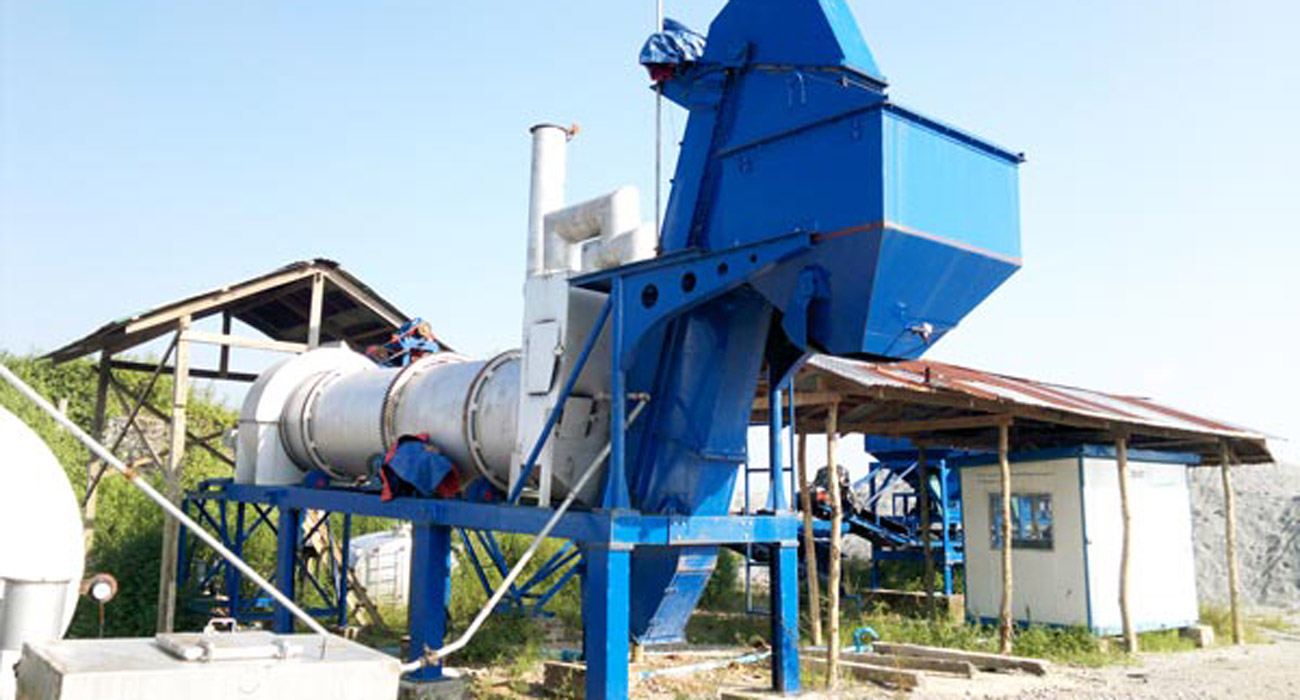
Another critical aspect of structural optimization involves streamlining operational processes within mini asphalt plants. Asphalt plant suppliers are integrating smart technology into their designs, utilizing automation and control systems that enhance operational efficiency while simplifying maintenance requirements. By adopting automated controls, operators can achieve precise material dosing, temperature monitoring, and mixing schedules, all of which contribute to optimal performance.
Furthermore, suppliers are designing mini asphalt plants to minimize manual intervention during mixing operations. This includes easy access points for maintenance and user-friendly interfaces that allow operators to monitor performance in real time. By streamlining operational processes, asphalt plant suppliers ensure that mini asphalt plants are not only efficient but also user-friendly, making them an attractive option for a wide range of applications.
Conclusion
In conclusion, asphalt plant suppliers are applying structural optimization technologies to mini asphalt plants, effectively balancing space-saving layouts with high-efficiency material mixing performance. Through innovative design principles, advanced material mixing techniques, and streamlined operational processes, suppliers like Macroad create compact asphalt mixing solutions that meet the demands of various projects. These optimizations not only enhance the plants’ performance but also provide clients with the flexibility and efficiency necessary for successful operations in limited spaces. This focus on structural improvement ensures that mini asphalt plants remain a viable option in the ever-evolving landscape of road construction.